Ultimate Scuba Diving & Snorkeling FAQ – Diving Dolphin Bol, Brač Island Croatia
Find answers to the most common questions about scuba diving, snorkeling, diving courses, children’s diving programs, technical diving, CCR diving, dive sites, marine life and underwater experiences around Bol, Brač Island and the Adriatic Sea in Croatia.
General Scuba Diving Questions
Why is Bol on Brač Island one of the best scuba diving destinations in Croatia?
Bol is considered one of the top scuba diving destinations in Croatia because of its crystal-clear Adriatic Sea, underwater caves, caverns, dramatic walls, reefs, marine biodiversity and excellent visibility throughout the diving season.
Why choose Diving Dolphin Bol?
Diving Dolphin Bol focuses on small diving groups, personalized diving experiences, professional safety standards, multilingual instructors, beginner through technical diving, cave and reef exploration, modern diving procedures and family-friendly diving experiences.
Is scuba diving in Croatia safe?
Yes. Scuba diving in Croatia is generally very safe when diving with professional dive centers, qualified instructors, properly maintained equipment and responsible dive planning.
Does Diving Dolphin Bol use professional dive boats?
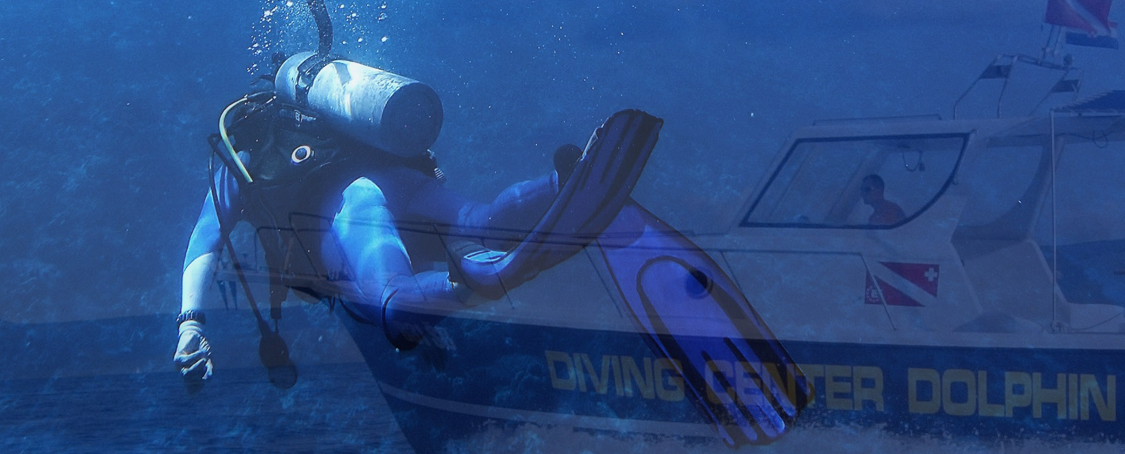
Yes. Diving Dolphin Bol operates two fully equipped diving boats adapted specifically for scuba diving operations in the Adriatic Sea. The boats are approximately 10 meters and 12 meters long.
Are the diving boats equipped with safety equipment?
Yes. Both diving boats are fully equipped with required marine and diving safety equipment for divers, crew, emergency procedures and marine safety operations.
What makes diving in the Adriatic Sea special?
The Adriatic Sea is famous for exceptional underwater visibility, calm summer conditions, underwater caves and caverns, walls, reefs, warm Mediterranean climate, marine biodiversity and deep blue water.
Snorkeling FAQ
Is snorkeling available at Diving Dolphin Bol?
Yes. Diving Dolphin Bol offers snorkeling trips around Brač Island for individuals, couples, families and groups wanting to explore the crystal-clear Adriatic Sea from the surface.
Do I need previous experience for snorkeling?
No previous snorkeling experience is required. Snorkeling is one of the easiest and most relaxing ways to discover the underwater world around Brač Island.
Is snorkeling suitable for children and families?
Yes. Snorkeling is very popular among families and children thanks to warm Adriatic water, calm sea conditions and excellent visibility during the summer season.
What marine life can I see while snorkeling around Brač Island?
While snorkeling around Brač Island, guests may see small Adriatic reef fish, sea bream, starfish, sea urchins, octopus, rocky reefs, underwater vegetation and crystal-clear Mediterranean water.
Is snorkeling safe in Croatia?
Yes. Snorkeling in Croatia is generally very safe when conducted in calm sea conditions and with proper supervision, especially during organized snorkeling activities.
Can snorkeling trips be combined with diving activities?
Yes. Families and groups often combine snorkeling trips with scuba diving activities so both certified divers and non-divers can enjoy the Adriatic Sea together.
Children & Family Diving FAQ
Can children try scuba diving in Croatia?
Yes. Diving Dolphin Bol offers beginner diving experiences and junior diving programs for children under direct professional instructor supervision.
What is the Bubble Maker diving program?
Bubble Maker is a beginner scuba diving experience designed specifically for children wanting to safely discover the underwater world for the first time.
What is the minimum age for Bubble Maker?
Children can usually participate in Bubble Maker programs from 8 years old depending on comfort, conditions and instructor assessment.
How deep can children dive during Bubble Maker?
Bubble Maker participants can dive to a maximum depth of 2 meters according to international junior diving safety standards.
What is Junior Open Water Diver certification?
Junior Open Water Diver is a beginner scuba diving certification designed for younger divers from 10 years old.
How deep can Junior Open Water Divers dive?
Beginner Diving FAQ
Can beginners try scuba diving in Bol Croatia?
Yes. Beginners without certification can participate in Discovery Diving experiences under direct supervision of professional instructors. No previous diving experience is required.
What is Discovery Scuba Diving?
Discovery Scuba Diving is an introductory scuba diving experience designed for beginners who want to safely try scuba diving without completing a full certification course.
How deep can beginners dive during Discovery Diving?
Discovery Divers can dive to a maximum depth of 12 meters depending on instructor assessment, comfort level, sea conditions and safety standards.
Do I need a diving license to scuba dive in Croatia?
Certified diving requires internationally recognized certifications such as SSI, PADI, CMAS or PSS. Beginners without certification can still participate in Discovery Diving programs.
Open Water Diver FAQ
What is Open Water Diver certification?
Open Water Diver certification is the first full scuba diving certification allowing divers to dive independently with a buddy within recreational diving limits.
How deep can Open Water Divers dive?
Certified Open Water Divers can generally dive to a maximum depth of 18 meters according to international recreational diving standards.
How long does the Open Water Diver course take?
Most Open Water Diver courses take approximately 3–4 days depending on weather, schedule, student progress and training standards.
Can I dive worldwide after Open Water certification?
Yes. Open Water Diver certifications are internationally recognized and accepted worldwide.
Advanced Open Water FAQ
What is Advanced Open Water Diver certification?
Advanced Open Water Diver certification helps divers improve confidence underwater, buoyancy, navigation, deep diving skills and underwater awareness.
How deep can Advanced Open Water Divers dive?
Advanced Open Water Divers can generally dive to a maximum depth of 30 meters according to recreational diving standards.
What dives are included in Advanced Open Water training?
Advanced training often includes deep diving, underwater navigation, buoyancy improvement, night diving and specialty adventure dives depending on the training agency and instructor planning.
Deep Diver FAQ
What is Deep Diver certification?
Deep Diver certification prepares divers for recreational deep diving, advanced gas management, deep dive planning, decompression awareness and deep diving safety procedures.
How deep can Deep Divers dive?
Certified recreational Deep Divers can generally dive to a maximum depth of 40 meters.
Why do divers take Deep Diver courses?
Deep diving allows access to deeper walls, advanced reefs, underwater formations, some wreck locations and unique marine life environments.
Nitrox FAQ
What is Nitrox diving?
Nitrox is breathing gas containing increased oxygen percentage compared to normal compressed air.
Why do divers use Nitrox?
Nitrox may provide reduced nitrogen exposure, increased comfort during repetitive dives and extended no-decompression limits.
Is Nitrox safe?
Yes. Nitrox is safe when used by properly trained and certified divers following oxygen exposure limits and dive planning standards.
Rescue Diver FAQ
What is Rescue Diver training?
Rescue Diver courses teach accident prevention, stress recognition, emergency procedures, diver rescue techniques and self-rescue skills.
Is Rescue Diver worth it?
Yes. Many divers consider Rescue Diver one of the most valuable recreational diving courses because it significantly improves confidence and underwater safety awareness.
Divemaster FAQ
What is Divemaster certification?
Divemaster is the first professional-level scuba diving certification. Divemasters can supervise certified divers, assist instructors, guide dives and organize diving activities.
Can I work internationally as a Divemaster?
Yes. Professional diving certifications are internationally recognized in dive centers around the world.
Cave Diving FAQ
Is cave diving available around Brač Island?
Yes. Croatia is famous for underwater caves and caverns including locations near Brač Island.
What is the difference between cavern diving and cave diving?
Cavern diving remains within daylight zones and allows direct exit visibility. Cave diving involves overhead environments and requires technical procedures, specialized training and equipment.
Is Lučice Cave suitable for recreational divers?
Yes. Recreational divers may explore the daylight cavern area depending on certification level, conditions and instructor assessment.
What makes Lučice Cave special?
Lučice Cave is famous for blue light effects, underwater chambers, crystal-clear water, rock formations, marine life and multiple cave entrances.
Technical Diving & CCR FAQ
Is technical diving available around Brač Island?
Yes. Advanced and technical divers can explore deep walls, underwater drop-offs, advanced reef systems and technical dive locations around Brač and nearby islands.
Is Diving Dolphin Bol CCR friendly?
Yes. Diving Dolphin Bol welcomes experienced CCR and technical divers.
What is CCR diving?
CCR stands for Closed Circuit Rebreather diving. CCR systems recycle breathing gas, reduce bubbles and improve gas efficiency for advanced and technical diving.
Is technical diving suitable for beginners?
No. Technical diving requires advanced certifications, specialized equipment, extensive experience and advanced dive planning knowledge.
Dive Sites FAQ
Where are the main diving locations around Bol?
Diving Dolphin Bol organizes diving trips around Brač Island, nearby Hvar Island and selected Adriatic dive locations accessible from Bol.
Which dive sites can I explore around Brač Island?
Popular diving areas include Lučice Cave, Smociguzica, Vodnjak, Murvica, Babića Stine, reef systems around Hvar and underwater walls and caverns around Brač Island.
Which dive sites are suitable for beginners?
Beginner-friendly dive sites usually offer shallow depths, calm conditions, excellent visibility and easy underwater navigation.
Which dive sites are best for underwater photography?
The Adriatic Sea around Brač offers caves with natural light effects, colorful reefs, marine life, excellent visibility and dramatic underwater landscapes.
Marine Life FAQ
What marine life can divers see around Brač Island?
Divers may encounter octopus, moray eels, nudibranchs, barracudas, cuttlefish, scorpionfish, groupers, starfish, Adriatic reef fish and yellow gorgonians.
Are octopus common in the Adriatic Sea?
Yes. Octopus are among the most iconic and frequently observed marine animals during Adriatic dives.
Are sharks common in Croatia?
Large shark encounters are extremely rare in recreational diving areas around Brač Island and the central Adriatic Sea.
Practical Diving Questions
Is equipment included in diving trips?
Divers can usually choose full equipment rental, tank and weights only, or own equipment options depending on the selected activity.
Can I book diving online?
Yes. Online booking is available through Diving Dolphin Bol.
Which languages do instructors speak?
The international team speaks English, Polish, German and Croatian.
What should I bring for diving?
Recommended items include swimwear, towel, sunscreen, drinking water and a certification card if certified.
Can I fly after scuba diving?
No. Always wait at least 18–24 hours before flying after scuba diving to reduce the risk of decompression sickness.
Why do divers return to Brač Island every year?
Divers return because Brač combines crystal-clear Adriatic water, Mediterranean atmosphere, caves, reefs, excellent visibility, warm climate, relaxed island lifestyle and beginner through technical diving opportunities.